Healing through sound presents a profound opportunity for musicians traversing the aftermath of trauma therapy. This approach acknowledges the intricate connection between music and emotional well-being. By exploring sound-based practices, musicians can find solace and reconnection with their craft. Techniques like vibration therapy and group music-making foster resilience, yet the journey is deeply personal. What specific strategies can musicians implement to enhance their recovery while nurturing their artistic spirit?
Key Takeaways
- Engage in mindful listening to music, allowing emotional resonance and reflection to foster healing and self-awareness.
- Participate in group jam sessions to build community, share experiences, and promote emotional connection among musicians.
- Utilize vibration therapy with low-frequency sounds to enhance relaxation and reduce anxiety during self-care practices.
- Incorporate journaling into your routine to process emotions and reinforce self-compassion post-therapy.
- Explore sound-based meditation to cultivate present-moment awareness and emotional grounding, aiding in recovery.
Understanding Trauma and Its Impact on Musicians
Trauma can cast a long shadow over an individual’s life, particularly for musicians who often channel their emotions through their art. The weight of past experiences can seep into their creative expressions, leading to a disconnection from their true selves. Understanding this impact is essential for healing. Musicians may grapple with feelings of isolation, anxiety, and self-doubt, complicating their relationship with music. Engaging in self-care after trauma therapy can foster resilience and empowerment. It encourages them to reconnect with their passion while nurturing their emotional well-being. Simple practices, such as mindfulness, journaling, or establishing supportive connections, can serve as significant tools. By embracing these strategies, musicians can reclaim their voices, transforming trauma into a source of strength and belonging.
The Role of Sound in Healing
Sound has long been recognized as a powerful medium for healing, especially for those maneuvering the complexities of emotional recovery. For musicians navigating self-care after trauma therapy, sound can serve various therapeutic roles:
- Vibration Therapy: Low-frequency sounds can promote relaxation and reduce anxiety, creating a sense of safety.
- Musical Expression: Engaging with music allows for emotional release and catharsis, helping individuals process their feelings.
- Mindfulness Practices: Sound-based meditation, such as listening to calming music or nature sounds, fosters present-moment awareness and emotional grounding.
- Community Connection: Group sound experiences, like drumming circles, cultivate a sense of belonging and shared healing among musicians.
Through these avenues, sound not only aids recovery but also enriches the musician’s journey toward wholeness.
Effective Self-Care Practices After Trauma Therapy
While the journey of recovery can often feel overwhelming, implementing effective self-care practices after trauma therapy is essential for musicians seeking to rebuild their emotional and creative lives. Establishing a routine that prioritizes mental health can create a sense of stability. Simple practices such as mindfulness meditation, journaling, and connecting with supportive peers foster healing and belonging. Engaging in regular physical activity can also release endorphins, enhancing mood and resilience. Additionally, setting aside quiet moments to reflect or practice self-compassion can deepen one’s understanding of personal needs. By embracing these self-care strategies, musicians can cultivate a nurturing environment that honors their journey, providing a foundation for growth and creativity as they navigate life beyond trauma.
Integrating Music Into Your Self-Care Routine
For musicians, integrating music into a self-care routine can serve as a transformative outlet for healing and expression. By harnessing the power of sound, they can create a safe space for emotional release and reconnection.
- Mindful Listening: Engage with music that resonates emotionally, allowing thoughts and feelings to surface without judgment.
- Creative Expression: Compose or improvise music as a way to articulate complex emotions, fostering self-discovery.
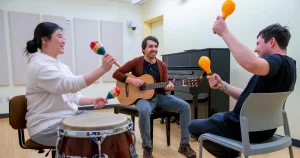
- Group Jam Sessions: Collaborate with fellow musicians to cultivate a sense of community and shared experience.
- Meditative Soundscapes: Use instrumental music or nature sounds for meditation, enhancing relaxation and grounding.
These practices can enrich self-care after trauma therapy, offering musicians a pathway to healing through sound.
Building a Support Network for Continued Healing
Building a robust support network is essential for musicians seeking to sustain their healing journey after trauma therapy. This network, composed of fellow musicians, friends, family, and mental health professionals, provides a safe space for sharing experiences and emotions. Connecting with others who understand the unique challenges faced by artists can foster a sense of belonging and validation. Regular check-ins, group activities, and collaborative projects can enhance resilience and promote healing. In addition, sharing sound-based practices or self-care strategies within this community can deepen the healing process. Embracing vulnerability and opening up to trusted individuals allows musicians to navigate their journey with empathy, reinforcing their commitment to self-care after trauma therapy. Together, they can cultivate a supportive environment for continued growth and recovery.
Frequently Asked Questions
How Long Does Healing Through Sound Typically Take?
Healing through sound varies widely, often requiring weeks to months for individuals to experience meaningful change. Patience and consistency are essential, as each person’s journey is unique, fostering a deeper connection to self and community.
Can Anyone Use Sound Healing Techniques?
Anyone can utilize sound healing techniques, regardless of background or experience. This accessible practice fosters a sense of belonging, encouraging individuals to connect deeply with themselves and others while promoting emotional and physical well-being.
What Are the Signs of Effective Self-Care After Trauma Therapy?
Signs of effective self-care after trauma therapy include improved emotional regulation, enhanced resilience, increased self-awareness, and a deeper sense of connection to oneself and others, fostering a supportive environment for healing and growth.
Are There Specific Genres of Music That Aid Healing?
Certain genres, like classical and ambient music, promote relaxation and emotional release, while uplifting genres such as jazz and folk can inspire resilience. Each person’s response varies, highlighting the importance of personal connection in healing through sound.
How Can I Measure My Progress in Self-Care After Trauma Therapy?
Progress in self-care after trauma therapy can be measured through reflective journaling, tracking emotional responses, and noting changes in daily habits. Regular self-assessment fosters awareness, encouraging growth and a deeper connection to one’s healing journey.
Conclusion
To sum up, healing through sound offers musicians a compassionate pathway to navigate their recovery after trauma therapy. By embracing self-care strategies rooted in mindful listening, creative expression, and community support, they can rediscover their artistry and resilience. This journey not only fosters emotional release but also nurtures a profound connection to their craft and each other. Ultimately, the harmonious interplay of sound and self-care paves the way for a transformative healing experience, empowering musicians to reclaim their voices.
You May Alos Like to Read: